Table of Contents
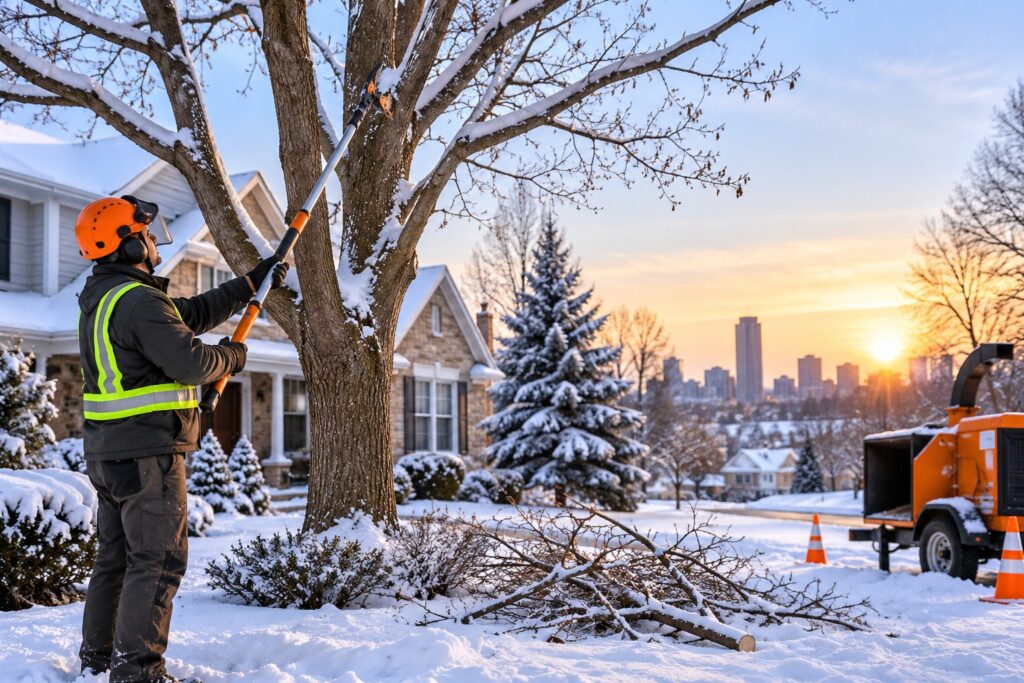
A tree can be one of the best things about a home. It shades the porch, softens the street, and adds real value to your property. But in Western New York, the same tree that makes your yard feel like home can turn into a risk after one hard winter storm. That is where dependable Buffalo Tree Service solutions come in, helping homeowners keep their trees healthy and their properties safe all year.
At Tall Branch Tree Experts, we believe good tree care should feel simple and honest. This guide covers what residential trees need, how Buffalo weather affects them, how to spot trouble early, and how to choose the right help. Whether you are planning ahead or dealing with a concern right now, we hope it makes your next decision easier.
Why Residential Trees Need Regular Professional Attention
Many homeowners only think about their trees when something goes wrong. A proactive approach costs less, protects more, and keeps small issues from becoming emergencies. Professional Buffalo Tree Service care helps you:
- Prevent storm damage by removing weak or overextended limbs before they fail
- Protect your home, vehicles, fences, and neighboring properties
- Catch signs of disease, decay, or insect activity early
- Guide young trees into a strong, well-balanced structure
- Maintain curb appeal and support your property value
- Avoid expensive emergency situations that could have been prevented
Core Tree Care Solutions for Homeowners
Every yard has different needs. Here is a quick look at the main solutions homeowners usually ask about when they contact a Buffalo Tree Service provider:
| Service | What It Does | When You Might Need It |
|---|---|---|
| Tree trimming | Shapes the canopy and clears branches from roofs, wires, and walkways | Overgrown limbs, blocked light, or branches touching your house |
| Tree pruning | Removes dead, weak, or diseased wood to improve health and structure | Dead branches, crossing limbs, or young trees that need training |
| Tree removal | Safely takes down a dead, dying, or hazardous tree | Severe decay, serious lean, or storm damage beyond repair |
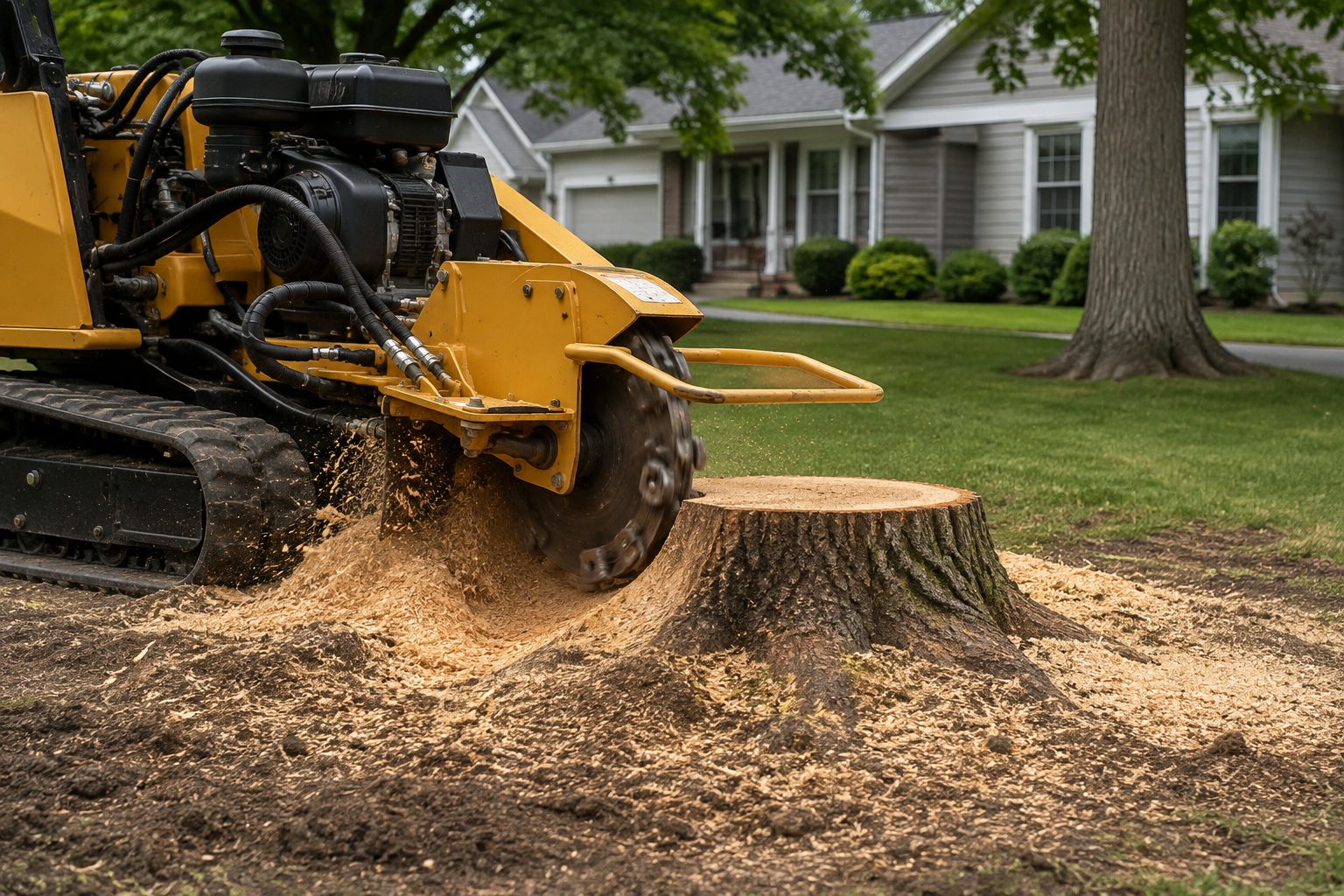
| Stump grinding | Removes the stump below ground level | After removal, to reclaim space and prevent tripping hazards |
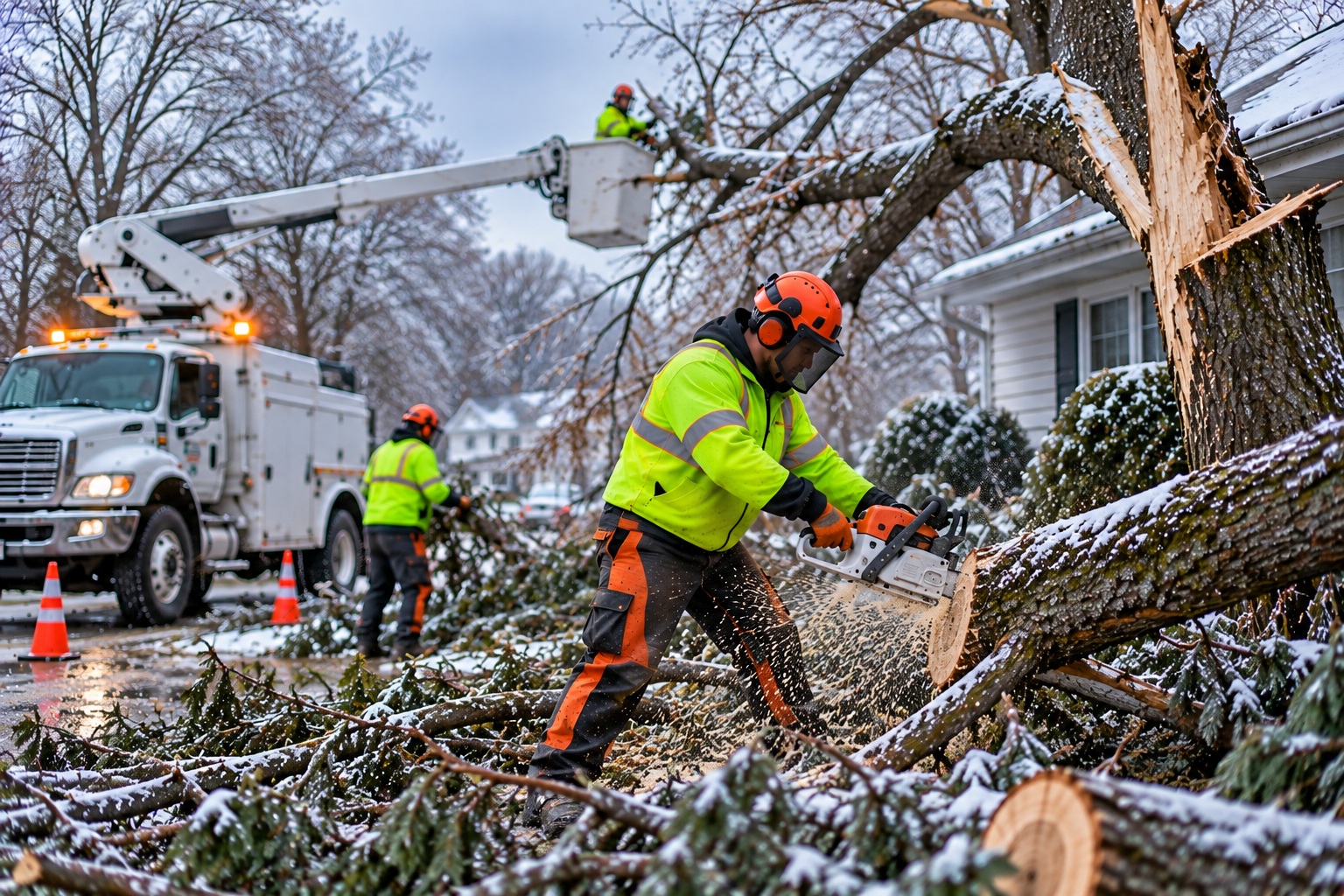
| Storm damage cleanup | Clears fallen or broken limbs and stabilizes what remains | After high winds, heavy snow, or ice storms |
| Hazard assessment | Evaluates a tree’s condition and risk | Any time you are unsure whether a tree is safe |
Warning Signs Your Tree Needs Attention
A tree rarely fails without giving some warning. Take a slow walk around your yard a few times a year and look for these signs:
- Dead or brittle branches, especially in the upper canopy
- Large cracks or splits in the trunk or main limbs
- A noticeable new lean, or soil lifting around the base
- Mushrooms or fungus growing at the base or on the trunk
- Peeling bark, hollow areas, or oozing sap
- Thinning leaves or early fall color in the middle of summer
- Branches hanging over your roof, driveway, or power lines
- Broken limbs left hanging after a storm
If you notice any of these, a quick inspection from a local Buffalo Tree Service team can tell you whether the tree can be saved, trimmed, or needs to come down. Acting early almost always gives you more options.
How Buffalo Weather Affects Your Trees
Trees in our region face a tougher environment than trees in many other parts of the country. Understanding the challenges helps you understand why regular care matters.
- Lake-effect snow adds heavy weight to branches, especially on trees with weak unions
- Ice storms coat limbs and can cause sudden breakage
- Strong winds off Lake Erie stress trunks and root systems
- Freeze-thaw cycles can crack bark and stress roots
- Road salt near driveways and streets can harm tree roots and nearby soil
- Wet springs can saturate the ground and loosen the root hold of large trees
Because these conditions are so specific to our area, local experience matters when you choose a Buffalo Tree Service company. Crews who work in this climate every year know which species struggle, which defects are risky, and what to look for after a storm.
A Simple Seasonal Tree Care Calendar
Planning tree work around the seasons keeps trees healthier and helps you avoid the rush. Many homeowners build Buffalo Tree Service visits into their regular home maintenance routine, much like gutter cleaning or furnace checks.
| Season | Main Focus | Homeowner Tip |
|---|---|---|
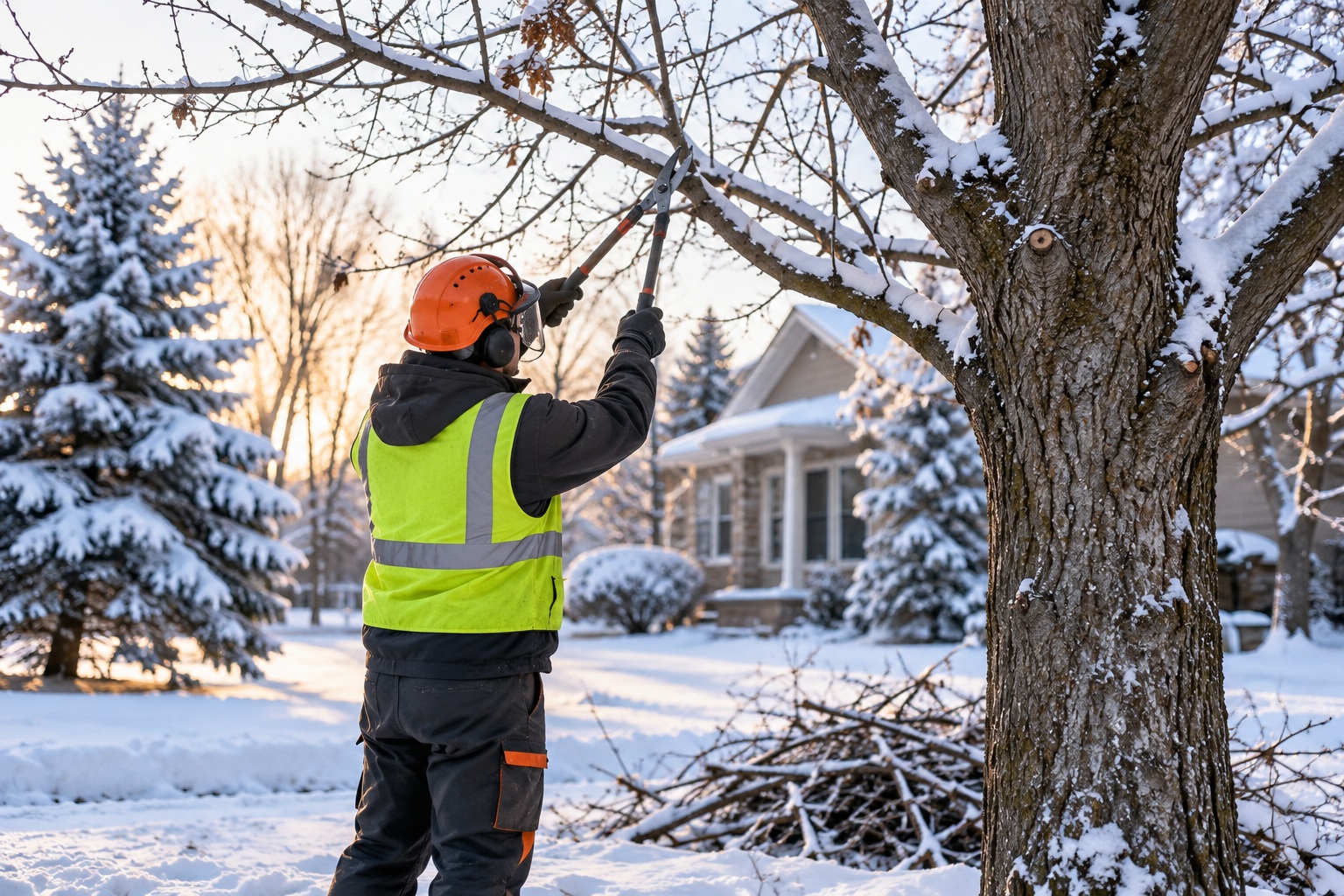
| Late winter | Structural pruning of dormant trees, hazard inspections | Bare branches make defects easy to see |
| Spring | Storm damage review, light cleanup, planting | Check for winter damage once the snow melts |
| Summer | Light trimming, clearing branches near structures | Watch for stress signs during dry spells |
| Fall | Dead wood removal, preparing trees for winter | Mulch the base and water evergreens before the ground freezes |
| Winter | Storm response and hazard removal | Stay away from damaged trees and power lines |
DIY or Professional: What Is the Right Call?
Light yard work is fine to handle on your own. Bigger jobs are a different story, because tree work is one of the more dangerous tasks around a home.
| Factor | DIY | Professional Crew |
|---|---|---|
| Best for | Small branches within reach from the ground | Large limbs, tall trees, and anything near power lines |
| Safety | Higher risk with ladders and chainsaws | Trained crews using proper protective gear |
| Equipment | Hand pruners, loppers, small saws | Climbing gear, lifts, chippers, commercial saws |
| Tree health | Improper cuts can cause lasting damage | Cuts made with the tree’s biology in mind |
| Cleanup | Entirely up to you | Debris removed from your property |
Hiring a Buffalo Tree Service crew is not about giving up control of your yard. It is about getting the job done safely, correctly, and without putting yourself or your home at risk.
How to Choose a Reliable Tree Company
Not every company works the same way, so take your time. When comparing Buffalo Tree Service options, look for:
- Clear, friendly communication from the first phone call
- A written estimate that explains exactly what will be done
- Proof of liability insurance and workers’ compensation, which you should feel free to ask about
- Experienced crews who put safety first
- Honest recommendations, such as trimming when a tree can be saved instead of pushing removal
- Local reviews and references from real customers
- A clean job site and full cleanup when the work is done
It is also worth knowing the red flags. Be careful with anyone who knocks on doors after a storm, asks for full payment upfront, or recommends topping a healthy tree. Topping weakens a tree and is not considered good practice.
What Affects the Cost of Tree Work
We cannot quote a job without seeing the tree, but understanding the factors helps you compare estimates fairly. When you request a Buffalo Tree Service estimate, these are the things that usually come up:
| Factor | Why It Matters |
|---|---|
| Tree size and height | Larger trees need more time, equipment, and crew |
| Access to the tree | Fenced yards, tight spaces, and slopes make the work harder |
| Scope of work | A light trim takes less effort than a full removal |
| Nearby hazards | Power lines, roofs, and structures require extra caution |
| Tree condition | Dead or storm-damaged trees can be unpredictable |
| Cleanup and hauling | Removing debris and wood adds time to the job |
What to Expect When You Hire a Tree Company
A good experience should feel organized and transparent. Here is how it typically goes:
- Inspection: A tree specialist looks at the tree and your property and listens to your concerns.
- Written estimate: You receive a clear explanation of the work, the approach, and the cost.
- Scheduling: The job is booked at a time that works for you, with urgent hazards handled first.
- Safe work: The crew sets up protective measures and completes the job carefully.
- Cleanup: Branches, debris, and sawdust are cleared from your property.
- Follow-up advice: You get simple guidance on how to care for the remaining trees.
A good Buffalo Tree Service experience should leave you informed, not confused. If a company cannot explain what it plans to do and why, keep looking.
Simple Ways to Protect Your Trees Between Visits
Between professional visits, small habits make a big difference. Combined with scheduled Buffalo Tree Service care, they help your trees stay stronger year after year.
- Walk your yard after every major storm and look for new damage
- Spread 2 to 3 inches of mulch around the base, keeping it away from the trunk
- Water young and stressed trees during dry stretches
- Protect roots from heavy equipment, parking, and construction
- Avoid piling soil against the trunk
- Keep notes or photos of any changes so you can show them to a specialist
Winter Tree Care in Buffalo
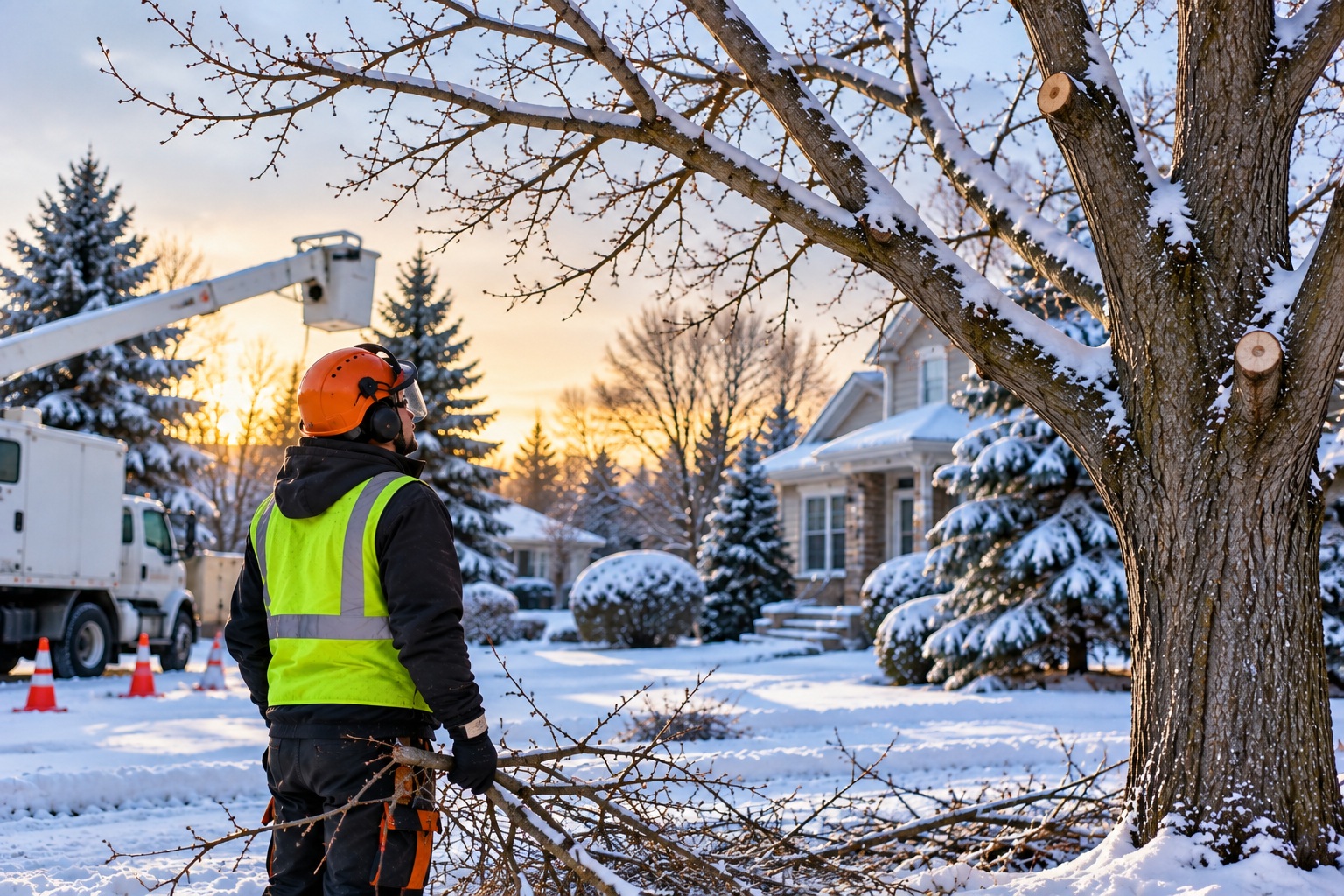
Winter is the toughest season for trees here, and it is also a smart time for certain work. Many homeowners schedule Buffalo Tree Service visits in late winter, when branches are bare and structural problems are easy to see. During the coldest and stormiest weeks, the focus shifts to safety.
- Keep a safe distance from any tree with hanging or cracked limbs
- Never go near branches that are touching or close to power lines
- Do not climb a damaged tree or try to cut it down yourself
- Contact a professional to assess storm damage before the next round of snow or wind
Frequently Asked Questions About Winter Tree Service
Can trees be trimmed in winter?
Yes. Most deciduous trees are dormant in winter, which makes it a good time for trimming and structural pruning. Without leaves, it is easier to see what needs to be removed, and trees often recover well once spring growth begins. Spring-flowering trees are the exception, since winter cuts can reduce next season’s blooms.
Is it safe to remove a tree in winter?
Often, yes. Frozen ground can make access easier and reduce lawn damage. However, heavy snow, ice, and high winds can make the work riskier. A professional Buffalo Tree Service crew will assess the conditions first and may delay the job if the weather makes it unsafe.
What should I do about ice-damaged branches?
Stay away from the tree and anything under it. Ice makes limbs heavy and unpredictable, and a branch can fall without warning. Do not climb the tree or try to knock the ice off. Call a professional to evaluate the damage and remove it safely.
How can I tell if snow or ice has damaged my tree?
Look for cracked or hanging limbs, splits in the trunk, a new lean, or bark that has been torn away. Branches that look bent or sagging more than usual may also be damaged. If you are unsure, take photos from a safe distance and have a specialist take a look.
Should I shake snow off my tree’s branches?
Usually it is best to let snow melt on its own. If you want to help an evergreen, gently brush snow from lower branches with a soft broom, working from the bottom up. Never hit or shake ice-coated branches, because frozen wood is brittle and can snap.
Does winter tree service cost less?
Winter can be a quieter season for tree companies, which sometimes makes scheduling easier. Pricing still depends on the tree’s size, access, condition, and the amount of work involved, so the best way to know is to request a written estimate.
How do I find a reliable company for winter tree work?
Look for clear estimates, proof of insurance, local experience, and honest communication. When you are choosing a Buffalo Tree Service provider, do not hesitate to ask how they handle winter conditions, what safety steps they take, and what the cleanup will include.
Final Thoughts
Healthy, safe trees are the result of steady care, not luck. With a little attention from you and the right support from a trusted local team, your trees can handle everything Western New York weather throws at them. A reliable Buffalo Tree Service partner gives you honest advice, careful work, and peace of mind, so you can enjoy your yard with confidence.
Ready to take the next step? Contact Tall Branch Tree Experts today to schedule an inspection and get a clear plan for your property.