Table of Contents
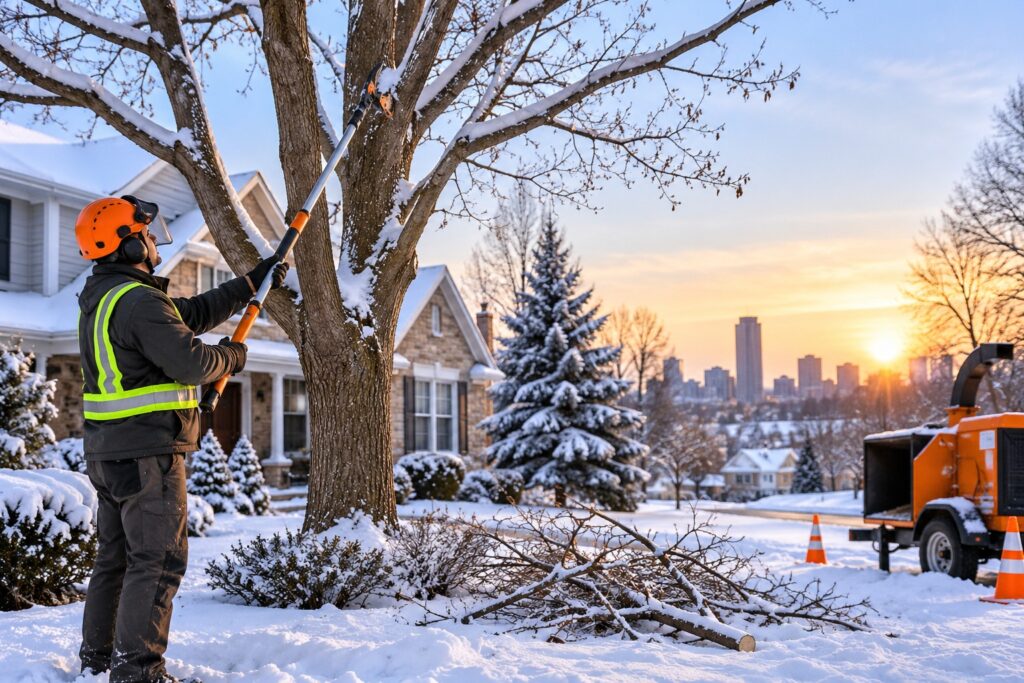
Healthy trees add shade, curb appeal, and lasting value to a property. In Western New York, they also have to survive heavy snow, ice storms, and strong lake winds year after year. A tree that is shaped and maintained well handles that stress far better than one left to grow unchecked. That is why thoughtful Tree Pruning Buffalo NY care is one of the most useful habits a property owner can build.
At Tall Branch Tree Service, we believe good pruning is about more than appearance. It is about structure, safety, and long-term tree health. This guide covers why pruning matters, when to do it, which methods work best, and how to choose the right help.
Why Pruning Matters for Tree Health
Pruning is the careful removal of specific branches to improve a tree’s structure, health, or safety. Done correctly, it works with the tree’s natural growth rather than against it. The benefits are practical and long lasting:
- Removes dead, dying, or diseased branches before problems spread
- Reduces the risk of limbs breaking under snow and ice loads
- Improves airflow and light through the canopy
- Builds a stronger branch structure, especially in young trees
- Keeps branches clear of roofs, lines, driveways, and walkways
- Supports better flowering and fruiting on ornamental and fruit trees
Over time, a pruned tree usually needs fewer emergency repairs, because small problems are corrected before they become big ones.
Signs Your Tree Needs Attention
Trees often show clear signals when they need help. Walk your property each season and look closely for the following:
- Dead or leafless branches in the upper canopy
- Branches crossing or rubbing against one another
- Limbs hanging over the roof, garage, or driveway
- Weak V-shaped branch unions with bark pinched between them
- Sprouts growing heavily from the base or along the trunk
- Cracks, splits, or broken branches left from a previous storm
- Dense growth that blocks light from reaching the lawn or garden
If you notice several of these signs on a single tree, it is a good time to request an assessment.
Common Pruning Methods Explained
Different trees need different cuts. The table below summarizes the most common methods and where each one fits.
| Method | Purpose | Best For |
|---|---|---|
| Crown cleaning | Removes dead, diseased, or broken branches | Mature trees with visible deadwood |
| Crown thinning | Selectively removes branches to improve light and airflow | Dense canopies and wind-prone trees |
| Crown raising | Removes lower branches to create clearance | Trees near walkways, driveways, and buildings |
| Crown reduction | Shortens branches to reduce size and weight | Trees growing too close to structures or lines |
| Structural pruning | Guides growth and corrects weak branch unions | Young trees in their first years |
| Deadwood removal | Eliminates hazardous dead limbs | Storm-prone trees and aging specimens |
Matching the right cut to the right tree is the core of good Tree Pruning Buffalo NY work. A technique that helps one species can harm another, so species, age, and condition always matter.
The Best Time to Prune in Buffalo
Timing affects how well a tree recovers. In our region, late winter, while trees are still dormant and before buds open, is often a favorable window for many species. Without leaves, the branch structure is easy to see, and the frozen ground can be easier on lawns when equipment is needed.
Some trees have special rules. Spring-flowering shrubs and trees are often pruned right after they bloom so next year’s buds are not lost. Maples and birches may bleed sap in early spring, which looks messy but is usually not harmful. Oaks are generally best pruned in the dormant season to lower disease risk. Dead or hazardous branches can be removed at any time of year. Homeowners planning Tree Pruning Buffalo NY work often schedule it for late winter, then check again in summer for any hazards.
Common Pruning Mistakes to Avoid
Poor pruning can weaken a tree and shorten its life. Watch out for these frequent errors:
- Topping: Cutting a tree back to stubs creates weak regrowth and open wounds
- Flush cuts: Cutting too close to the trunk removes the branch collar the tree needs to heal
- Over-pruning: Removing too much of the canopy at once stresses the tree and slows recovery
- Leaving stubs: Long stubs invite decay and pests
- Using dull or dirty tools: This damages bark and can spread disease
- Pruning at the wrong time: Cutting during stress periods can reduce vigor
A general guideline from arborist organizations is to avoid removing more than about a quarter of a mature tree’s live canopy in one season. Careful, selective cuts are always better than aggressive ones.
DIY Pruning or Professional Help
Small jobs, such as trimming a low shrub or cutting a thin branch within easy reach, can often be done by a careful homeowner with clean, sharp tools. Larger work is different. Climbing, using a chainsaw overhead, or cutting near power lines carries real risk of injury and property damage.
Even careful Tree Pruning Buffalo NY projects can become dangerous when branches are heavy, tangled, or close to a structure. Trained crews bring safety gear, rigging systems, and the knowledge to make proper cuts. They also understand tree biology, so they prune for health instead of only for looks.
How to Choose a Reliable Provider
Not every company offers the same level of skill. When comparing options, look for:
- Proof of liability insurance and workers’ compensation coverage
- Certified arborists or trained climbers on the crew
- A written estimate that explains the scope of work and cleanup
- A willingness to explain which cuts will be made and why
- Local references and reviews from nearby neighbors
- A clear refusal to top trees or remove excessive canopy
A professional Tree Pruning Service should be comfortable answering all of these questions and should never pressure you into a decision. Be cautious of door-to-door offers, very low quotes, or anyone who cannot show insurance. A trustworthy Tree Pruning Service will also tell you honestly if a tree is better left alone or needs a different kind of care.
What to Expect on Pruning Day
Before the work begins, the crew lead should walk the site with you, confirm which branches will be removed, and point out any hazards. Crews set up protective gear, mark drop zones, and use ropes or lifts to control larger limbs. Cuts are made just outside the branch collar so the tree can seal the wound naturally.
When the job is finished, the team clears debris, chips branches where appropriate, and leaves the area tidy. A good Tree Pruning Service will explain what was done and offer simple advice on watering, mulching, and follow-up visits.
What Affects the Cost of Pruning
Pricing varies from job to job. The main factors include tree size and height, species, the amount of work required, access to the tree, and proximity to buildings or lines. Cleanup and hauling can also change the total. Local Tree Pruning Buffalo NY costs differ because a small ornamental tree is very different from a tall, mature maple over a roof.
Ask for a written estimate and compare the scope of work, not just the bottom-line price. A fair quote from a Tree Pruning Service lists what is included so there are no surprises.
Simple Aftercare Tips
Pruned trees recover best with a little support:
- Water deeply during dry periods, especially for young or recently trimmed trees
- Add a ring of mulch around the base, keeping it away from the trunk
- Avoid heavy fertilizing unless a soil test or professional recommends it
- Watch for signs of stress such as wilting, discolored leaves, or dieback
- Schedule regular check-ups every few years for mature trees
Frequently Asked Questions
How often should trees be pruned?
Most mature trees benefit from an assessment every few years. Young trees may need light structural pruning more often. Property owners who rely on Tree Pruning Buffalo NY care usually follow a schedule based on species, age, and site conditions.
Will pruning hurt my tree?
Proper pruning does not harm a tree. Poor cuts, topping, and over-pruning can. Selective cuts made at the right time actually help the tree heal and grow stronger.
Can I prune my trees in winter?
Yes, for many species, late winter is a good time. Dormant trees are easier to evaluate, and the work is often less stressful for the tree. Ask a Tree Pruning Service about the best timing for your specific species.
How do I know if a branch is dangerous?
Look for dead wood, cracks, heavy leaning, or branches hanging over structures and walkways. If you are unsure, request an inspection instead of climbing or cutting it yourself.
Does pruning improve fruit and flower production?
For many ornamental and fruit-bearing trees, yes. Removing crowded or weak growth lets energy go to healthier branches.
What should I ask before hiring a company?
Ask about insurance, certifications, the planned cuts, cleanup, and a written estimate. A good Tree Pruning Service will answer clearly and without pressure.
Final Thoughts
Strong trees are not an accident. They are the result of regular attention, correct cuts, and good timing. In a climate as demanding as ours, thoughtful Tree Pruning Buffalo NY care protects your property, reduces storm risk, and helps your trees stay healthy for decades.
If you are ready to improve the safety and appearance of your trees, choose a professional Tree Pruning Service that explains its approach and puts tree health first. Tall Branch Tree Experts is ready to help you plan the right pruning schedule for your yard. Contact us to schedule an inspection and give your trees the care they need.